Hydrogen and low-carbon ammonia are essential to decarbonization
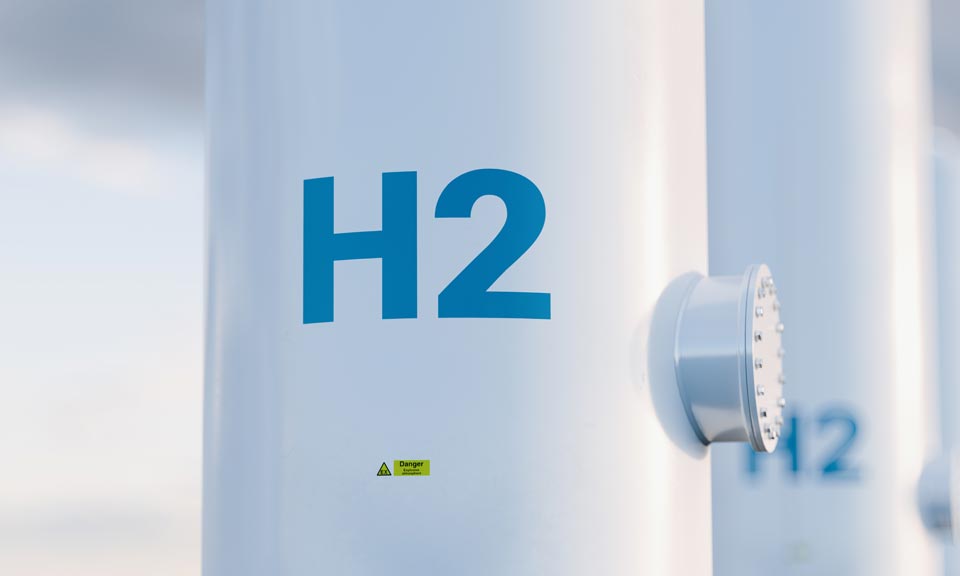
Hydrogen is an essential component of the energy transition away from fossil fuels, both as a pollution-free transportation fuel and as a pathway for decarbonizing specific industrial sectors that will be difficult to decarbonize through other means, including steel, aluminum, chemicals, refining and cement. Before hydrogen can achieve its promise as a clean fuel, both hydrogen and its essential carrier ammonia face market hurdles.
Those include production costs, which are still exceedingly high compared to other energy sources, building hydrogen infrastructure, solving transport issues, and market acceptance. These challenges aside, S&P Global Commodity Insight researchers see tremendous growth for this dynamic, clean-energy duo.
In the S&P Global Commodity Insights Long-Term Hydrogen Supply and Demand Outlook, researchers estimate global hydrogen demand growth will triple from approximately 300 MMtoe (million metric tons of oil equivalent) in 2020 to more than 1 billion MMtoe by 2050. Demand growth will be fastest in Europe, but the passage of the US IRA climate bill is driving significant investment in the US.
Dominated by low-carbon supply, the global ammonia market will triple by 2050
A strategic report from S&P Global Commodity Insights estimates the global ammonia market will triple in size by 2050—from approximately 200 million metric tons (MMT) in 202—to more than 600 MMT of supply by 2050. Two-thirds of that demand will be driven by low-carbon ammonia, which is expected to grow from its nascent state to more than 420 MMT.
While ammonia is critical to hydrogen uptake as a carrier, low-carbon ammonia offers additional versatility as a feedstock and a fuel. A strategic report by S&P Global Commodity Insights, Low-carbon Ammonia: Facilitating the Transition to a Sustainable Future, examines low-carbon ammonia's versatility and transformative potential as a critical player in the energy transition, especially for hard-to-abate sectors.
Solid regulatory frameworks essential to bridge the price-gap divide
Despite the rapidly growing interest and investment in low-carbon hydrogen and ammonia, and ammonia’s versatility as both a carrier for hydrogen and as a fuel source, barriers, primarily price, are inhibiting market development, said S&P Global Commodity Insights. A significant ‘price gap’ exists between producer costs and premiums buyers are willing to pay, so governments must offset this price gap to ensure market development.
"Project developers are trying to reduce the production cost of both low-carbon ammonia and hydrogen, but the current price gap for green ammonia production versus traditional fossil-fuel-derived supply is vast, which makes it uneconomic unless governments step in and pay the price gap to bring these greener products closer to parity," said Vipul Garg, senior editor, Hydrogen and Ammonia Pricing at S&P Global Commodity Insights. "Without pricing certainty and transparency, you have no market. Project developers need price benchmarks to secure offtake agreements, and without these offtake agreements, these projects are considered not bankable—they cannot secure financing."

Garg says the EU will publish the final plans for its hydrogen support scheme in June, and it is expected to match the US IRA by leveraging a fixed premium that the government will pay for the greener product. Other countries and regions are also advancing or finalizing hydrogen support schemes, including Japan and Korea, with Japan taking a broader market approach. At the same time, Korea is focused on hydrogen use for power generation, possibly co-firing with coal.
S&P Global Commodity Insights is considering hydrogen and derivative price assessments to support the buyer’s perspective based on the buyer’s willingness to pay. Says Garg, "The buyers in the market for low-carbon hydrogen and derivatives production, which includes ammonia, SAF and e-methanol, have limits.